Korean skin rejuvenation has gained international recognition within aesthetic medicine in recent years. Its foundations, however, are rooted in a longstanding philosophy that prioritises skin health, structural integrity and progressive regeneration.
Rather than focusing solely on correcting visible signs of ageing, Korean aesthetic approaches emphasise maintaining the skin’s underlying condition. Hydration, barrier stability, and collagen preservation underpin many treatment decisions. These principles reflect a clinical understanding that the appearance of the skin is closely connected to its biological function.
This philosophy has increasingly influenced modern aesthetic practice worldwide. Treatments that support the skin’s natural regenerative processes often produce balanced, refined, and sustainable outcomes over time. By focusing on long-term skin health, Korean skin rejuvenation offers a framework that aligns closely with contemporary regenerative aesthetics.
Skin Health as The Primary Objective
Within Korean aesthetic medicine, skin health is regarded as the foundation of successful rejuvenation. The condition of the skin influences not only its appearance but also its ability to respond to treatment and maintain results.
Balanced hydration, a stable barrier function, and an organised collagen structure typically characterise healthy skin. These factors contribute to smooth texture, even tone and natural luminosity. When the skin is functioning well, it tends to recover more efficiently following treatment and maintain its resilience against environmental stress.
Many visible ageing changes arise from gradual deterioration within these systems. Reduced hydration, disruption of the barrier and declining collagen production can contribute to dullness, uneven texture and reduced elasticity. Addressing these underlying changes allows aesthetic treatments to improve the overall quality of the skin rather than focusing only on isolated concerns.
This emphasis on skin health yields results that appear natural and proportionate while supporting skin health.
Prevention Within Korean Aesthetic Medicine
Preventive care forms an important element of Korean aesthetic philosophy. Instead of waiting until visible ageing changes become advanced, treatment strategies often aim to maintain skin quality throughout adulthood.
Early attention to hydration levels, collagen preservation, and barrier stability helps maintain the skin’s structural resilience. Gentle treatments delivered at appropriate intervals can support the skin’s natural repair mechanisms without creating unnecessary disruption.
This approach reflects an understanding that ageing is a gradual biological process. By supporting the skin consistently over time, preventative care can help reduce the extent of structural changes that develop later.
Preventive treatment does not involve excessive intervention. Instead, it represents a measured approach that preserves the skin’s strength and vitality while respecting its natural balance.
Hydration
Hydration plays a central role in Korean skin rejuvenation philosophy. Adequate moisture supports many of the biological processes that maintain healthy skin.
The outer layers of the skin rely on balanced hydration to remain flexible and resilient. Moisture supports the barrier that protects against environmental stress and helps regulate water loss from the skin surface. When hydration levels are maintained, the skin tends to appear smoother, brighter and more supple.
Chronic dehydration can contribute to rough texture, increased sensitivity and the early appearance of fine lines. In Korean aesthetic practice, hydration strategies therefore extend beyond topical skincare alone. Professional treatments may support deeper moisture balance while reinforcing the stability of the skin barrier.
Hydration is regarded as an ongoing aspect of skin maintenance rather than a temporary cosmetic effect. Maintaining this balance allows the skin to function effectively and respond more favourably to regenerative treatments.
Skin Barrier Integrity
The skin barrier performs an essential protective function. It regulates water loss, protects the skin from environmental exposure and supports overall skin stability.
In Korean skin protocols, maintaining barrier integrity is considered fundamental to safe and effective rejuvenation. When the barrier is compromised, the skin may be prone to irritation, inflammation, and delayed recovery following treatment.
Supporting the barrier often involves careful treatment planning that balances stimulation with recovery periods. Gentle skin preparation before active treatments can improve tolerance, while appropriate aftercare supports restoration following procedures.
By maintaining barrier stability, practitioners can encourage regeneration without creating unnecessary disruption. This approach allows the skin to adapt gradually to treatment while maintaining comfort and resilience.
Progressive Collagen Support
Collagen provides the structural framework that supports firmness, elasticity and resilience within the skin. Within the dermis, collagen fibres form an organised network that maintains tensile strength and structural stability.
As the skin ages, collagen production gradually declines and existing fibres can become fragmented. These changes contribute to the development of fine lines, reduced skin elasticity, and skin thinning.
Korean skin rejuvenation typically favours gradual collagen stimulation rather than aggressive intervention. Treatments are often designed to encourage the skin to produce new collagen while maintaining the integrity of surrounding tissue.
This progressive approach allows improvements to develop steadily over time. Rather than relying on a single intensive procedure, collagen support becomes part of a structured programme that strengthens the skin gradually and promotes stability.
Layered Treatment Strategies
Layered treatment strategies are a recognised feature of Korean aesthetic practice. In this context, layering refers to the careful sequencing of complementary treatments within a structured plan.
Hydration support, regenerative stimulation and barrier recovery may all be incorporated within a programme designed to improve skin quality progressively. Each treatment stage prepares the skin for the next, allowing regeneration to occur in a stable environment.
This approach requires careful clinical judgement. Treatments must be selected based on the condition and tolerance of the skin, and sufficient recovery time must be allowed between procedures.
Layered protocols are therefore not about performing multiple treatments simultaneously. Instead, they represent thoughtful planning that supports the skin’s natural regenerative capacity while maintaining overall balance.
Skin Quality And Visible Aesthetic Outcomes
Skin quality significantly affects overall appearance. Even skin tone, refined texture, and healthy luminosity strongly contribute to the perception of youthful skin.
When hydration levels are balanced, and collagen structure remains organised, the skin reflects light more evenly. This creates a brighter, more radiant appearance often associated with healthy skin.
Improving skin quality can also enhance the outcomes of other aesthetic treatments. Procedures that address structural support or volume tend to appear more natural when the surrounding skin is smooth, hydrated and resilient.
For this reason, many Korean treatment programmes prioritise skin condition before introducing additional aesthetic interventions.
Korean Aesthetic Culture and Clinical Practice
The philosophy of Korean skin rejuvenation is closely linked to broader cultural attitudes towards skincare. Maintaining healthy skin is widely regarded as an important aspect of personal care, and many individuals adopt consistent skincare routines from an early age.
Professional treatments are often integrated with daily skincare to support skin maintenance. Regular clinical assessment allows practitioners to monitor skin condition and adjust treatments accordingly.
This continuous approach encourages gradual improvement rather than sporadic intervention. Professional care and home skincare are viewed as complementary elements within a broader strategy that supports skin health and appearance.
Modern Regenerative Aesthetic Medicine
The principles underlying Korean skin rejuvenation align closely with the development of regenerative aesthetic medicine. Increasingly, aesthetic treatments are designed to stimulate the skin’s natural repair mechanisms rather than simply masking signs of ageing.
Regenerative therapies encourage collagen production, support cellular activity and strengthen tissue structure. These treatments focus on improving the skin’s function and vitality while maintaining its natural characteristics.
As aesthetic medicine continues to evolve, practitioners are placing greater emphasis on approaches that support tissue health. In this context, Korean skin philosophy reflects a broader shift towards treatments that enhance the biological integrity of the skin.
Personalised Treatment Planning
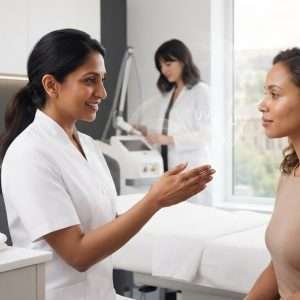
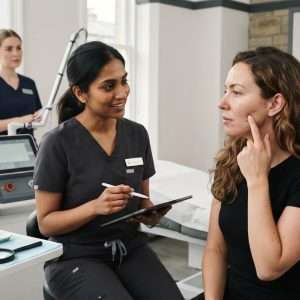
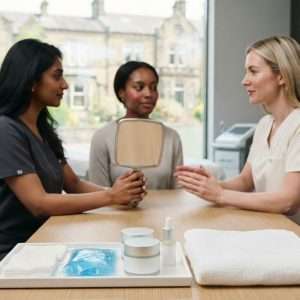
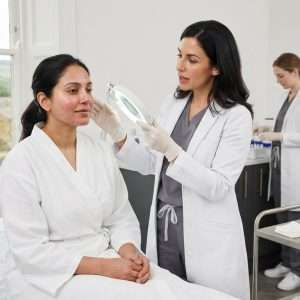
Every individual presents with unique skin characteristics, sensitivities and ageing patterns. Effective treatment, therefore, requires careful assessment and personalised planning.
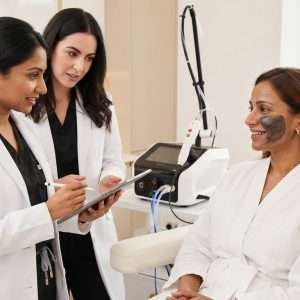
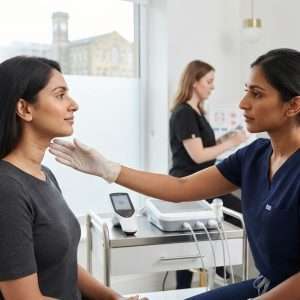
Clinical consultation allows practitioners to evaluate hydration levels, barrier function, pigmentation patterns, and structural changes in the skin. Treatment strategies can then be adapted to reflect the individual’s specific needs and tolerances.
As the skin responds to treatment, programmes may be adjusted to maintain progress while preserving stability. This responsive approach ensures that rejuvenation remains balanced and supportive rather than excessive.
Personalised planning allows treatments to improve skin quality while maintaining the natural harmony of the face and body.
Arden Clinic Approach To Korean Inspired Skin Rejuvenation
At Arden Clinic, the principles of Korean skin rejuvenation are incorporated within a broader framework of aesthetic medicine. Our team has observed Korean treatment philosophies in practice and adapted these principles to suit UK clinical standards and skin types.
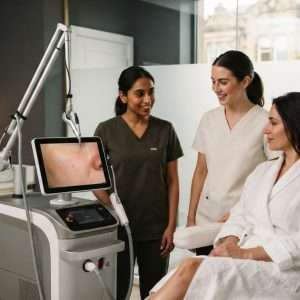
Treatment planning focuses on improving skin quality through structured protocols that support hydration, barrier stability and progressive collagen regeneration. Medical technologies may be combined with thoughtful sequencing to ensure that the skin remains balanced throughout the facial treatment journey.
The objective is not rapid transformation but sustained improvement in skin health. By supporting the skin’s natural structure and function, treatments aim to produce results that appear refined, natural, and long-lasting.
Skin Health As The Foundation Of Lasting Rejuvenation
Korean skin rejuvenation demonstrates that effective aesthetic outcomes are closely linked to the skin’s underlying health. Hydration, barrier protection and collagen support form the pillars of this philosophy.
When these elements are maintained, the skin retains strength, resilience and luminosity. Improvements develop gradually but tend to be more stable and natural-looking.
This perspective reflects a broader shift in aesthetic medicine towards regenerative and preventive care. By focusing on skin condition, treatments can enhance appearance while preserving the tissue’s biological integrity.
At Arden Clinic, this philosophy informs treatment planning that supports skin health while delivering refined and natural aesthetic outcomes.
Related Articles
- HydraFacial and Sensitive Skin Conditions
- Radiofrequency Microneedling for Firmer Skin
- Polynucleotides In Clinical Skin Rejuvenation
- Cellulite and The Structural Changes Beneath The Skin
- Transform Your Skin with Facial Treatments at Arden Clinic
Prefer an AI Summary?