Over 80% of aesthetic complications reported to UK safety registers involve treatments carried out by untrained providers in uninspected settings. When you want to enhance your appearance, separating genuine clinical expertise from heavily filtered social media promotions can feel overwhelming. Learning to spot the red flags for a bad aesthetic clinic Bradford patients often encounter is the most reliable way to protect your health, your skin, and your financial investment from substandard care.
You deserve absolute clarity regarding practitioner credentials, authentic medical technology, and strict hygiene protocols before booking any procedure. A reputable clinic will always prioritise comprehensive consultations and clinical safety over cheap promotional packages. In this guide, we reveal the critical warning signs of substandard providers, explain what an ethical, assessment-led consultation must include, and give you a practical checklist to help you vet any local aesthetic practice with complete confidence.
Key Takeaways
- Recognise the primary environmental red flags for a bad aesthetic clinic Bradford residents must avoid, including treatment in non-clinical domestic spaces without hospital-grade hygiene controls.
- Identify why high-pressure booking tactics, missing medical health screenings, and the refusal to offer a cooling-off period signal substandard patient care.
- Understand the vital importance of product traceability, ensuring your practitioner uses authentic, clinically validated platforms rather than unbranded imported machinery or mystery injectables.
- Equip yourself with an actionable checklist to verify practitioner training, medical centre settings, and dedicated complication management protocols prior to booking.
Clinical Setting Red Flags: Home Salons and Inadequate Hygiene
A treatment room tells you everything you need to know about safety standards. While high-street marketing can make any practitioner look reputable online, one of the most visible red flags for a bad aesthetic clinic Bradford patients encounter is a domestic treatment setup. Undergoing procedures across kitchen tables, converted bedrooms, or mobile vans introduces catastrophic infection hazards that no surface wipe can neutralise.
Domestic Premises Versus Professional Medical Centre Environments
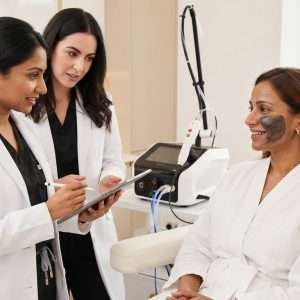
Domestic homes cannot maintain clinical asepsis. Pet dander, household airflow, and soft furnishings actively harbour pathogens. By contrast, a professional clinic enforces strict clinical zoning, separating patient reception lounges from sterile procedure areas. Clinical settings ensure non-porous work surfaces, hospital-grade sanitisation, and regulated clinical waste collection. Reputable practices like Arden Clinic deliberately operate within a dedicated medical centre environment alongside medical and aesthetic colleagues, embedding clinical governance into every step.
Hygiene Protocols and Emergency Preparedness
Clinical hygiene requires far more than wearing disposable gloves. Injectable procedures break the protective skin barrier, demanding sterile fields and meticulous technique to avert the serious risks of dermal filler complications like vascular compromise or deep-tissue bacterial infection.
Watch for these immediate physical hazards before allowing any treatment to commence:
- Missing sharps disposal: Yellow, puncture-proof clinical bins must be present to dispose of contaminated needles immediately.
- Pre-opened consumables: Syringes, cannulas, and sterile packs must always be unsealed directly in front of you.
- Absence of emergency reversal drugs: If you are considering dermal fillers, your practitioner must stock hyaluronidase on site to reverse accidental vascular occlusions instantly.
- Uncontrolled medicine storage: Temperature-sensitive injectables require dedicated, monitored pharmaceutical refrigeration rather than shared domestic fridges.
Noticing any of these lapses confirms you are observing severe red flags for a bad aesthetic clinic Bradford seekers must walk away from immediately. These rigorous sterility and procedural standards should be a non-negotiable benchmark across any skin-penetrating service; as exemplified by international piercing specialists like Stellar Malaysia, prioritising sterile, medical-grade hygiene protocols is essential to safeguarding client health.
Consultation Warning Signs: Rushed Appointments and Pressure Tactics
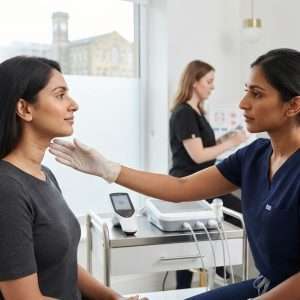
Your initial consultation sets the clinical foundation for your entire treatment journey. Skipping this diagnostic step or reducing it to a hurried chat represents one of the clearest red flags for a bad aesthetic clinic Bradford residents encounter. A practitioner who directs you straight into the treatment chair without evaluating your medical background compromises your health. Comprehensive screenings must record autoimmune conditions, bleeding disorders, active prescriptions, and previous procedures to prevent severe adverse reactions.
The Danger of Same-Day Pressure and Missing Cooling-Off Periods
Aggressive sales pitches, flash discounts, and countdown offers are engineered to bypass critical thinking. Under established NHS cosmetic procedure guidance, patients should always receive an unpressured cooling-off period between their initial assessment and the procedure itself. This pause allows you to evaluate potential complications, post-treatment downtime, and realistic outcomes. When an injector dismisses safety concerns, trivialises risks, or claims treatments carry zero recovery time, they aren’t prioritising your wellbeing.
Syringe-Led Sales Versus Assessment-Led Facial Profiling
Inexperienced providers often market treatments by the millilitre, treating delicate facial anatomy like an off-the-shelf commodity. Pushing multi-syringe bundles ignores natural bone structure, soft tissue support, and dynamic facial expression, which can cause unnatural, distorted results. Professional aesthetic practice demands holistic facial profiling and clinical precision. Discovering how a seasoned clinical team approaches individualised facial aesthetics ensures your treatment plan is tailored specifically to your facial proportions. Identifying these consultation red flags for a bad aesthetic clinic Bradford consumers encounter helps you avoid commercial shortcuts and safeguard your skin.
Equipment and Product Red Flags: Cheap Devices and Mystery Injectables
The tools and substances applied to your skin carry enormous clinical significance. Operating without transparency regarding injectable products or energy machinery represents dangerous red flags for a bad aesthetic clinic Bradford patients must actively avoid. Unethical practitioners frequently cut operational overheads by ordering unverified machinery or grey-market injectables online, exposing clients to deep dermal burns, permanent scarring, or chronic inflammatory granulomas.
Counterfeit Energy Devices Versus Authentic Clinical Platforms
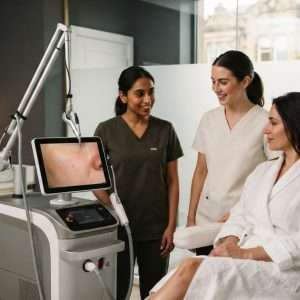
Bargain copycat machines flood the market without calibrated energy controls or stable cooling mechanisms. Authentic medical technologies like genuine InMode Morpheus8 or Alma Soprano laser systems undergo extensive clinical trials and stringent engineering checks. Reputable clinicians readily present device serial numbers, manufacturer servicing records, and CE or UKCA certifications. If a clinic refuses to identify machine provenance, step away.
Unopened Packaging and Traceable Product Batches
Every injectable treatment demands uncompromising traceability, supporting broader UK government safety standards for cosmetic procedures designed to eradicate rogue practices. Your clinician should always open sealed, sterile manufacturer packaging directly before you.
- Demand complete batch traceability: Request the product lot number and expiry date for your personal treatment records.
- Refuse pre-drawn syringes: Never accept aesthetic substances prepared out of your sight or stored in unlabelled containers.
- Beware deceptive promises: Legitimate clinics never promise permanent results or guaranteed outcomes, as individual healing and biological responses vary.

The Bradford Patient Safety Checklist: How to Verify Your Aesthetic Clinic
Protecting your physical wellbeing requires practical due diligence rather than relying on polished social media feeds. Knowing how to identify the operational red flags for a bad aesthetic clinic Bradford patients often overlook gives you complete control over your treatment choices. Use this practical verification checklist during your next consultation:
- Specialist aesthetic insurance: Confirm your practitioner holds active medical malpractice cover that explicitly protects complication management.
- Documented clinical portfolios: Inspect unedited before-and-after photographs showing consistent, natural enhancements across varied ages and skin tones.
- Written emergency aftercare: Never leave a clinic without clear written aftercare instructions and direct out-of-hours clinician contact details.
Five Essential Questions to Ask Before Any Procedure
Before committing to any cosmetic work, ask your practitioner these direct questions:
- What specific medical qualifications, hands-on aesthetic training, and years of clinical experience do you hold?
- What exact clinical protocol do you follow if an acute vascular occlusion or allergic reaction develops?
- Will you open genuine, sealed manufacturer packaging in front of me so I can verify the batch code?
- What realistic results can I expect, and what are the specific clinical limitations of this procedure?
- Who is my direct point of contact if I experience unexpected swelling or pain over the weekend?
Choosing Established Clinical Excellence in West Yorkshire
Longevity and environment reflect professional integrity. Founded in 2011, Arden Clinic operates from within a professional medical centre environment alongside medical and aesthetic colleagues. With hundreds of thousands of treatments administered and lead practitioner Naseem Shah bringing over 15 years of industry experience, treatments are strictly assessment-led. Selecting a provider committed to ongoing professional education, advanced technologies, and clinical governance ensures you sidestep the dangerous red flags for a bad aesthetic clinic Bradford residents face.
Take Control of Your Aesthetic Safety in Bradford
Vetting practitioner qualifications, demanding genuine branded technology, and insisting on sterile clinical environments are your ultimate safeguards. Spotting the red flags for a bad aesthetic clinic Bradford residents encounter ensures you never compromise your physical wellbeing for promotional discounts or hurried appointments. Your facial anatomy deserves unhurried diagnostic consultations, realistic expectations, and verified emergency complication protocols.
Established in 2011, Arden Clinic operates within a professional medical centre environment, upholding rigorous clinical standards across hundreds of thousands of administered treatments. Led by Naseem Shah with over 15 years of aesthetic experience, our specialist team prioritises your safety through authentic, medical-grade platforms and individualised care plans tailored to your unique goals.
Partnering with experienced clinical professionals ensures your aesthetic journey is reassuring, ethical, and designed to help you look and feel your absolute best.
Frequently Asked Questions
Can any beauty therapist legally administer dermal fillers in Bradford?
Yes, under current UK law, non-surgical cosmetic injectables remain loosely regulated, meaning non-medics and beauty therapists can legally administer dermal fillers in England. The UK government is introducing a national licensing framework under the Health and Care Act. Until local licensing fully takes effect via Bradford Council, you should verify your practitioner’s specific complications training, aesthetic insurance, and clinical experience rather than assuming legal permission equals competence.
What should I do if an aesthetic clinic refuses to tell me which product they use?
Decline the treatment immediately and leave the premises. Concealing product names, batch numbers, or manufacturer packaging is one of the most serious red flags for a bad aesthetic clinic Bradford patients can experience. Ethical clinicians will always show you the unopened box, verify the CE or UKCA mark, and supply the lot details for your personal medical records to ensure complete safety and traceability.
Is it a red flag if an aesthetic practitioner offers treatments from their home?
Yes, receiving invasive aesthetic procedures in a domestic environment poses significant health risks. Domestic settings cannot guarantee the sterile airflow, clinical-grade surface disinfection, or regulated sharps disposal required for safe skin-penetrating treatments. A reputable provider operates within a dedicated clinical space or professional medical centre environment where hygiene standards, emergency protocols, and medical oversight are strictly maintained.
How can I tell if a clinic is using a genuine aesthetic device or a cheap copy?
Ask to see the manufacturer branding, device serial number, and annual servicing certificates before undergoing treatment. Genuine medical platforms, such as InMode Morpheus8 or Alma Soprano laser systems, have distinctive branded hardware, traceable serial plates, and manufacturer directory listings. In contrast, unbranded casing, vague terminology, or heavily discounted package deals often indicate imported counterfeit machinery lacking clinical safety testing.
What emergency protocols should a reputable aesthetic clinic in Bradford have in place?
A reputable clinic must hold on-site emergency reversal agents, specifically prescription hyaluronidase, to instantly treat vascular occlusions caused by dermal fillers. Practitioners must maintain documented protocols for anaphylaxis, acute infection management, and local medical referrals. Avoiding these safety red flags for a bad aesthetic clinic Bradford seekers face means confirming your practitioner can diagnose and independently resolve adverse complications before any needle touches your skin.