No amount of quality sleep or premium eye cream can reverse structural volume loss beneath the eyes. It’s endlessly frustrating to wake up feeling refreshed, only to be asked why you look so worn out. When hollows and shadows resist topical skincare, discovering how to look more awake and less tired treatment Leeds specialists offer requires looking beneath the skin’s surface. True facial fatigue is rarely about lifestyle; it stems from natural shifts in deeper facial fat pads and collagen depletion that cosmetics simply cannot address.
You don’t need invasive surgery or an exaggerated look to regain your natural vitality. In this guide, you’ll discover clinically proven, non-surgical treatments designed to gently restore mid-face balance, soften under-eye hollows, and revitalise fatigued skin. We examine assessment-led options delivered within professional medical centre environments, outlining suitability, expected recovery, and practitioner standards to help you achieve a subtle, well-rested appearance.
Key Takeaways
- Understand how structural bone changes and mid-face fat loss create persistent under-eye hollows that topical creams cannot resolve.
- Discover how to look more awake and less tired treatment Leeds specialists provide, combining subtle facial balancing fillers with advanced collagen-stimulating devices.
- Learn why evaluating orbital anatomy, skin thickness, and lymphatic drainage is essential to selecting a safe, bespoke rejuvenation plan.
- Find out what to expect during an assessment-led aesthetic consultation within a professional medical-centre environment.
Why Do You Look Tired? The Anatomy of Facial Fatigue
Persistent facial fatigue is rarely a simple matter of poor sleep. While late nights cause temporary puffiness, chronic tiredness typically stems from progressive anatomical shifts beneath the skin. As we age, the skeletal framework gradually resorbs, expanding the bony eye socket. Concurrently, deep sub-orbicularis fat compartments deflate and descend. This biological shift creates an unsupported trough beneath the lower eyelid, casting shadows that mimic severe exhaustion.
At the same time, the surrounding tissues lose structural density. Ageing slows collagen and elastin synthesis, thinning the delicate peri-orbital skin. As this barrier thins, the underlying vascular network becomes visible, intensifying the appearance of periorbital dark circles. When mid-face fat pads drop, cheek support collapses, deepening the nasolabial folds and pulling facial expressions into a downward, drawn contour.
Structural Hollows vs Surface Skin Dullness
True facial exhaustion presents in two distinct ways:
- Structural hollows: Physical volume deficits that cast dark, concave shadows regardless of overhead lighting.
- Textural dullness: Sluggish epidermal turnover that scatters light unevenly, leaving the complexion flat and sallow.
While surface dehydration accentuates fine crepiness across the stratum corneum, structural volume loss represents deep soft-tissue atrophy that physically alters facial contours. Understanding this distinction is central when exploring how to look more awake and less tired treatment Leeds clinicians provide.
Why Standard Skincare Cannot Correct Anatomical Volume Loss
Over-the-counter creams only hydrate superficial epidermal layers; they cannot rebuild deep fat pads or restore skeletal projection. Clinical assessment distinguishes between melanin deposition and structural shadows. For deeper descent, non-surgical lifting via an AccuWave 10D HIFU treatment can help support underlying tissue layers, illustrating why choosing how to look more awake and less tired treatment Leeds aesthetic practitioners recommend requires addressing internal anatomy rather than relying on topical remedies alone.
Targeted Clinical Treatments to Refresh and Revitalise the Face
Achieving a naturally refreshed look relies on a cohesive clinical strategy rather than treating isolated lines. Contemporary protocols in non-surgical facial rejuvenation combine precise volume replacement with deep dermal remodelling, addressing both structural shadows and skin quality. When determining how to look more awake and less tired treatment Leeds clinicians offer, assessing the interaction between underlying fat pads and skin elasticity is essential.
Tear Trough Fillers and Mid-Face Volume Restoration
Under-eye hollows often worsen when the mid-face loses structural projection. Rather than overfilling the delicate infraorbital area, skilled practitioners place micro-aliquots of hyaluronic acid to restore cheek support first. This anatomical re-anchoring lifts anterior tissue, softening the transition between the lower lid and cheek. By taking an assessment-led facial balancing approach rather than simply adding volume, the result remains smooth, subtle, and free from puffiness.
Energy-Based Skin Tightening: RF Microneedling and Focused Ultrasound
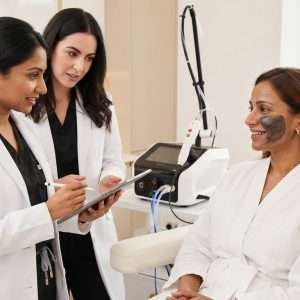
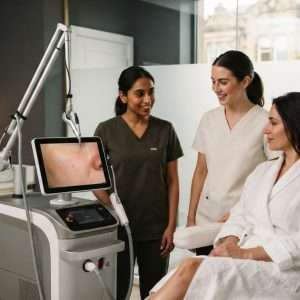
When peri-orbital laxity causes crepiness and slight brow heaviness, energy devices rebuild cellular firmness from within. Radiofrequency microneedling via Morpheus8 delivers controlled thermal energy into the dermis, prompting fresh collagen and elastin synthesis to firm fragile skin. For deeper structural support, AccuWave 10D HIFU delivers focused ultrasound to tighten lax brow and mid-face tissue. While results vary between individuals and cannot replicate surgical operations, this multi-depth combination offers notable lifting support.
Combining structural restoration with targeted collagen stimulation delivers visible vitality without looking overdone. To discover how to look more awake and less tired treatment Leeds practitioners can formulate for your unique features, arrange an initial assessment through our consultation team.
Selecting the Right Treatment Pathway for Your Specific Features
Rejuvenation requires an assessment-led approach rather than simply administering syringes. Because anatomical factors vary widely, identifying the true causes of a tired appearance ensures that each therapy complements your natural facial architecture. When reviewing how to look more awake and less tired treatment Leeds clinicians provide, a thorough clinical evaluation prevents over-treatment and safeguards facial harmony.
Assessing Tear Trough Suitability and Lymphatic Health
Not every under-eye shadow responds well to dermal fillers. Before proceeding, experienced aesthetic practitioners evaluate three critical physical markers:
- Orbital anatomy: Distinguishing true bone and fat deficiencies from prominent lower-lid fat pads.
- Tissue elasticity: Performing a physical snap test to confirm the skin springs back quickly.
- Lymphatic drainage: Checking for fluid retention tendencies that dermal fillers might aggravate.
When poor tissue snap or impaired drainage makes dermal filler unsuitable, energy-based skin tightening devices supersede injectable treatments to rebuild dermic strength without causing chronic puffiness.
Staging Treatments: Combining Hydration, Volume, and Tightening
Optimal results often rely on phased protocols scheduled over several weeks. Thoroughly preparing congested skin with targeted clinical facials enhances cellular hydration before structural work begins. Staging deeper collagen stimulation alongside delicate volume balancing gives your tissues adequate time to remodel. This measured progression ensures subtle transitions, helping you explore how to look more awake and less tired treatment Leeds options safely without overburdening delicate facial anatomy.

Your Aesthetic Consultation in Leeds: Standards, Safety, and Next Steps
Choosing an experienced provider in West Yorkshire is vital when addressing concerns around the delicate eye area. Arden Clinic operates within a professional medical centre environment alongside healthcare colleagues, maintaining rigorous clinical protocols and patient safety standards. Founded in 2011, the clinic combines extensive clinical experience across hundreds of thousands of administered treatments with advanced, evidence-led technology.
The Importance of Practitioner Experience in Delicate Periorbital Work
The infraorbital region is anatomically intricate, housing complex vascular networks beneath paper-thin skin. Inexperienced product placement risks persistent swelling, vascular complications, or unnatural contours. Lead Aesthetic Practitioner Naseem Shah brings over 15 years of clinical aesthetic experience and advanced international training to every assessment. This depth of anatomical knowledge ensures your natural facial expressions remain unhindered, offering vital reassurance when considering how to look more awake and less tired treatment Leeds options.
What to Expect During Your Initial Clinical Consultation
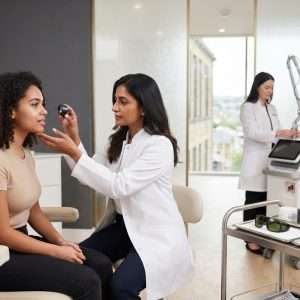
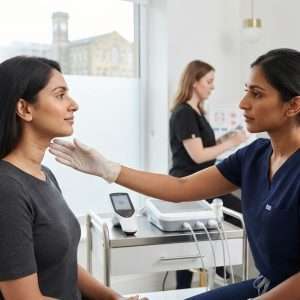
Your journey begins with comprehensive facial profiling rather than an immediate procedure. Practitioners evaluate dynamic facial movements, bone contours, and tissue elasticity under magnification to identify the root causes of facial fatigue. You’ll receive honest advice regarding expected recovery times, realistic results, and whether energy devices or volume restoration suit you best.
Every plan is individualised, focusing on gradual rejuvenation without pressure. To discuss your bespoke rejuvenation plan for how to look more awake and less tired treatment Leeds practitioners provide, schedule a dedicated evaluation via the Arden Clinic contact page.
Take the Next Step Towards a Rested, Refreshed Appearance
Refreshing a fatigued appearance doesn’t require invasive surgery or dramatic change. By addressing mid-face volume depletion and peri-orbital skin laxity through targeted facial balancing and deep collagen stimulation, you can achieve a subtle, naturally rested look. Discovering how to look more awake and less tired treatment Leeds specialists deliver begins with an accurate clinical assessment of your unique underlying facial anatomy.
Founded in 2011, Arden Clinic operates within a professional medical-centre environment in West Yorkshire, having administered hundreds of thousands of treatments across our services. Guided by Lead Aesthetic Practitioner Naseem Shah, who brings over 15 years of experience, our multi-award-winning team combines proven technology with meticulous care to restore your facial balance safely.
Rediscover your confidence with an individualised treatment plan designed to help you look as vibrant and well-rested as you feel.
Frequently Asked Questions
Can under-eye dark circles be treated with dermal fillers?
Yes, but only when dark circles stem from structural hollowing rather than surface pigmentation. If deep volume loss creates a sunken tear trough, precisely placed dermal filler softens the transition and diminishes cast shadows. However, if discolouration is caused by excess melanin or superficial vascular visibility, skin resurfacing or topical medical skincare proves more suitable. A clinical assessment confirms whether filler will help or risk fluid retention.
How long do results last after treatments to look less tired?
Longevity depends on the chosen treatment modality, your metabolic rate, and individual tissue biology. Dermal fillers around the tear trough and mid-face often maintain their subtle balancing effect for nine to twelve months, aided by low muscle mobility in this region. Energy-based collagen therapies like Morpheus8 or 10D HIFU stimulate progressive remodelling over several months, typically requiring annual maintenance to sustain dermal firmness. Results vary between individuals.
Is there downtime involved with tired-eye aesthetic treatments?
Downtime is generally minimal, though mild swelling, redness, or localized tenderness can occur depending on the specific procedure. When exploring how to look more awake and less tired treatment Leeds clients often resume daily routines within 24 to 48 hours. Radiofrequency microneedling usually causes mild pinkness for a couple of days, whilst injectables carry a small risk of pinpoint bruising. Comprehensive clinical aftercare helps ensure smooth healing.
How do I know whether I need skin tightening or dermal filler?
The distinction depends on whether your primary concern is physical volume deficiency or superficial skin laxity. If a hollow trough casts a constant shadow beneath your eyes, dermal fillers rebuild supportive mid-face structure. If peri-orbital skin crinkles, bunches, or lacks snap elasticity, energy-based technologies like Morpheus8 or AccuWave 10D HIFU work better to firm the dermis. A thorough clinical evaluation identifies which concern takes priority.
Will non-surgical treatments make me look unnatural or puffy?
Not when performed by an experienced practitioner who prioritises anatomical assessment over excessive product volume. Unnatural puffiness occurs when filler is injected without considering lymphatic drainage or underlying cheek projection. Seeking how to look more awake and less tired treatment Leeds practitioners provide through an assessment-led approach ensures micro-aliquots and calibrated energy depths are used. This respects your natural features, delivering a rested appearance without altering facial character.