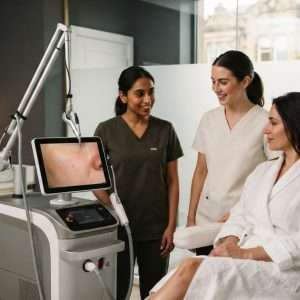
Hormonal hair growth can affect both men and women, often developing gradually and becoming increasingly difficult to manage with traditional hair removal methods alone. Areas such as the face, neck, abdomen, chest, and jawline are commonly affected, particularly where hormonal fluctuations stimulate increased follicular activity.
For many individuals, repeated shaving, waxing, or plucking becomes part of a constant maintenance cycle that may contribute to irritation, ingrown hairs, and ongoing skin sensitivity. Laser hair removal offers a more structured and clinically guided approach by targeting active follicles and supporting progressive reduction over time.
At Arden Clinic, treatment planning for hormonally influenced hair growth focuses on realistic expectations, personalised scheduling, and long-term skin management rather than short-term removal alone.
Hormonal Influence On Hair Growth
Hormones play an important role in regulating hair growth throughout the body. Androgens, including testosterone, influence follicular activity and may stimulate increased hair growth in hormonally sensitive areas.
In some individuals, follicles become increasingly responsive to hormonal stimulation over time, leading to darker, coarser, or denser hair growth. Facial areas such as the chin, jawline, and neck are particularly sensitive to these hormonal changes.
Hormonal shifts can occur during several stages of life, including puberty, pregnancy, post-pregnancy recovery, perimenopause, and menopause. Certain medications and underlying hormonal conditions may also influence follicular activity and hair growth patterns.
These changes often develop gradually, which is why many individuals notice increasing hair growth over time rather than suddenly.
Common Areas Of Hormonal Hair Growth
Hormonal hair growth most commonly affects areas where follicles are particularly sensitive to androgen activity.
- Facial Areas
The chin, upper lip, jawline, and neck are among the most frequently affected areas in women experiencing hormonally stimulated hair growth.
- Body Areas
The abdomen, chest, lower back, and inner thighs may also develop increased hair density in response to hormonal influence.
- Male Pattern Hair Density
In men, hormonal influence often contributes to dense growth across the beard, chest, shoulders, and back.
These areas can become prone to irritation when frequent shaving or waxing is required.
PCOS and Increased Hair Growth
Polycystic Ovary Syndrome is one of the most recognised conditions associated with increased hair growth in women. Elevated androgen activity may stimulate thicker or darker hair growth across hormonally sensitive areas, a pattern commonly referred to as hirsutism.
Laser hair removal does not treat PCOS itself or alter hormone levels. Instead, treatment focuses on reducing visible hair growth by targeting active follicles during the growth phase.
Response to treatment varies between individuals depending on hormonal activity, follicular density, and hair characteristics. Many individuals experience significant improvement in hair density and manageability following a structured course of treatments, though maintenance sessions may still be required over time.
Where appropriate, some individuals may also be managing hormonal symptoms alongside medical guidance from their GP or specialist.
A realistic and clinically informed approach is important when treating hormonally influenced hair growth.
Hormonal Hair Growth and Age Changes
Hormonal hair growth is not limited to adolescence or diagnosed hormonal conditions. Many individuals notice changes in hair growth patterns later in adulthood, particularly during perimenopause and menopause.
As hormonal balance changes with age, follicles may become more sensitive to androgen activity. This can lead to increased facial hair growth, particularly around the chin, jawline, and upper lip.
At the same time, changes in skin texture and sensitivity may make repeated shaving or plucking increasingly irritating. Professional laser hair removal can offer a more structured approach to managing these ongoing changes while supporting overall skin comfort.
Repeated Hair Removal and Skin Irritation
Frequent shaving, waxing, and plucking may place continual stress on the skin and follicles. Over time, this repeated trauma can contribute to irritation, ingrown hairs, inflammation, and uneven skin texture.
Facial areas are particularly vulnerable due to frequent maintenance and visibility. Repeated shaving may contribute to a rough texture, folliculitis, and post-inflammatory hyperpigmentation, particularly when inflammation becomes chronic.
Many individuals experiencing hormonal hair growth report ongoing sensitivity and visible skin changes related to repeated hair removal.
Reducing follicular activity may help minimise the cycle of irritation associated with continual maintenance.
Laser Hair Removal and Hormonal Hair Growth
Laser hair removal works by delivering controlled light energy into the hair follicle, where pigment absorbs it and converts it into heat. This heat disrupts the follicle’s ability to regenerate hair effectively over time.
Hormonal hair growth can still respond well to laser treatment, particularly where hair contains sufficient pigment. However, treatment planning may differ slightly from non-hormonally influenced areas due to the possibility of ongoing follicular stimulation.
In hormonally active areas, follicles may gradually reactivate over time in response to ongoing hormonal influence. For this reason, maintenance sessions are often considered part of management rather than an indication of treatment failure.
The aim is progressive reduction, improved manageability, and reduced maintenance rather than unrealistic expectations of complete permanent removal.
Consistency and Ongoing Follicular Management
Consistency in treatment scheduling is particularly important when treating hormone-driven hair growth. Structured intervals allow active follicles to be targeted progressively while helping maintain momentum throughout the treatment course.
Hormonal areas may require a more ongoing management approach compared with areas unaffected by hormonal stimulation. Over time, many individuals notice a significant reduction in density, slower regrowth, and reduced reliance on daily or weekly hair removal methods.
Long-term management is often more achievable when treatment is approached progressively and realistically.
Soprano Titanium Laser Adaptability
At Arden Clinic, treatments are performed using the Soprano Titanium Laser platform. This advanced system combines Alexandrite, Diode, and Nd:YAG wavelengths within a single applicator, allowing treatment settings to be adapted according to individual skin tone and follicular characteristics.
Gradual heating technology and integrated cooling systems support controlled energy delivery while maintaining skin comfort throughout treatment.
This adaptability is particularly important in hormonally influenced areas, where hair density and follicular activity may vary between treatment sessions.
Facial Hair Reduction and Skin Confidence
Hormonal facial hair growth can affect confidence and contribute to daily frustration for many individuals. Constant maintenance often becomes time-consuming, particularly where visible regrowth develops quickly.
Repeated shaving and plucking may also contribute to ongoing follicular irritation, rough texture, and pigmentation changes across visible areas of the face and neck.
Laser hair removal offers a more structured and clinically guided alternative to repetitive surface-level removal methods. As follicular activity reduces over time, many individuals experience improved skin comfort alongside reduced maintenance demands.
This often allows treatment to focus on long-term skin management rather than continual short-term removal.
Treatment Expectations
Hormonal hair growth should be approached with realistic expectations. Laser hair removal supports progressive reduction, though hormonal influences may continue to stimulate some follicles over time.
Many individuals experience significant improvement in density, texture, and regrowth speed following a structured course of treatments. Maintenance sessions may still be required periodically, particularly in hormonally active areas.
Consistency with treatment intervals and aftercare guidance remains important in supporting outcomes.
Clinical Assessment
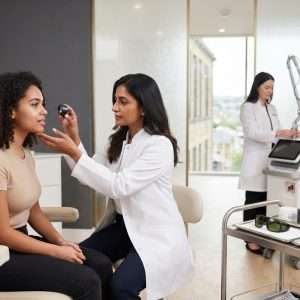
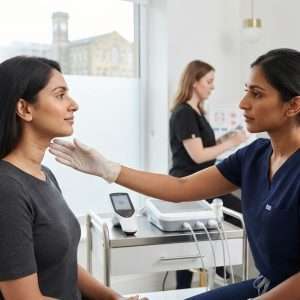
Effective treatment planning for hormonal hair growth requires careful assessment of skin tone, hair characteristics, growth patterns, and treatment history.
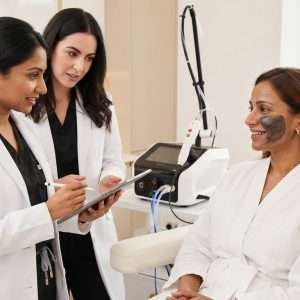
At Arden Clinic, the consultation includes a discussion of broader skin concerns, such as irritation, pigmentation, ingrown hairs, and previous hair removal methods. Treatment schedules and settings are adjusted according to individual response throughout the course.
This clinically informed and personalised approach supports safe treatment delivery while maintaining realistic expectations regarding management.
Laser Hair Removal at Arden Clinic
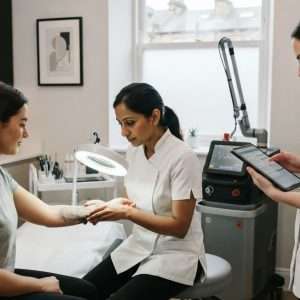
Laser hair removal in Bradford is delivered through a personalised approach designed to support both effective hair reduction and overall skin health. Consultation and treatment planning are tailored according to individual hormonal patterns, skin tone, follicular density, and treatment goals.
Using Soprano Titanium technology, treatments at Arden Clinic can be adapted across a broad range of skin tones and hormonally influenced treatment areas while maintaining comfort and skin safety throughout the process.
As part of our wider range of body treatments, laser hair removal is approached with a focus on treatment quality, consistency, and realistic long-term management rather than short-term cosmetic maintenance alone.
Confidence In Hair Management
Hormonal hair growth often requires a more considered and ongoing approach than temporary removal methods alone can provide. Professional laser hair removal offers a structured method of reducing active follicular growth while supporting improved skin comfort and reduced maintenance over time.
With appropriate technology, realistic treatment planning, and practitioner expertise, hormonally influenced hair growth can be managed more effectively through a clinically guided treatment approach.
Related Articles
- Your Hair Growth and Laser Treatment Cycles
- Lasting Hair Reduction and Skin Health
- Laser Hair Removal and Skin Tone Considerations
- Preparing For Professional Laser Hair Removal
- Laser Hair Removal Compared With IPL and Other Methods
Prefer an AI Summary?