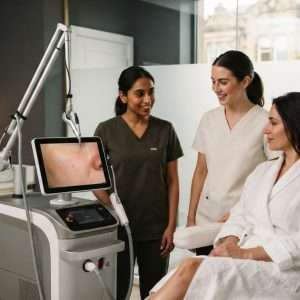
The safest next step after a worrying tattoo-removal reaction may be to pause, not book another laser session. If you’re thinking, “help my tattoo removal has gone wrong”, it’s understandable to feel unsure. Redness, swelling, tenderness or small blisters can occur during healing, but some changes need prompt medical attention.
Don’t try to diagnose the problem or treat it with home remedies, and don’t continue laser sessions until the skin has been assessed. Worsening pain or swelling, spreading redness, discharge or fever should be discussed promptly with a medical professional.
This guide explains which reactions can be part of recovery, which warning signs warrant medical advice, and what to do next. You’ll also learn what treatment details and clear photographs to gather, how to approach the original provider or seek another opinion, and why the skin and treatment history should be reviewed before any further laser is considered.
Key Takeaways
- If you’re thinking, “help my tattoo removal has gone wrong”, learn which skin changes call for prompt medical advice rather than a cosmetic review.
- Understand why healing and fading can vary, and why a concerning change needs assessment rather than guesswork.
- Find out what to do before considering further treatment, including how to record changes and what to avoid doing to the skin.
- Learn what a thorough assessment should consider before discussing whether PICO Laser Tattoo Removal or another next step may be suitable.
Tattoo removal gone wrong: which skin changes need attention?
A worrying change after tattoo removal can feel distressing, particularly when you’re unsure whether it’s part of healing or a sign to seek help. If you’re thinking, “help my tattoo removal has gone wrong”, take the concern seriously, but don’t try to diagnose the cause yourself. A clinician needs to assess the skin in context; a photograph alone can’t confirm what’s happening.
Which symptoms should prompt medical advice?
Seek prompt medical advice if pain or swelling is getting worse, the area feels hot, redness is spreading, there’s discharge, or you develop a fever. Marked blistering, open skin or a developing change in skin texture also warrant professional review. These signs can have different causes, so don’t assume they prove infection, a burn or scarring. If symptoms are severe or worsening, contact your GP or seek urgent medical advice.
What can be part of the healing response?
Temporary redness, swelling, tenderness, itching, blistering or crusting can occur after laser treatment. However, what is expected depends on the person and the treatment, and this guide can’t confirm what’s normal for your skin. Contact the provider who treated you if a reaction persists, worsens or concerns you. Don’t pick blisters or scabs while you’re waiting for advice.
Laser treatment breaks tattoo ink into smaller particles, as described in this overview of modern tattoo removal techniques. Even so, a worrying skin change needs individual review rather than assumptions about its cause. Prioritise medical advice if symptoms are severe or getting worse.
Why might laser tattoo removal appear to have gone wrong?
A change in colour or texture after treatment can be unsettling, but it doesn’t establish what caused it or whether it will last. Possible factors include the tattoo’s ink and placement, your skin’s individual response, laser settings and aftercare. These are considerations for a practitioner to review, not conclusions you can draw from an online description.
An online article cannot identify the cause of an individual skin reaction. If you’re searching “help my tattoo removal has gone wrong”, use what follows to prepare questions for an assessment, not to diagnose yourself.
How can tattoo and skin differences affect the experience?
Ink composition and the tattoo’s position on the body can influence how treatment progresses. People’s skin also responds differently, so the same approach may not produce the same experience for everyone. Fading can take time and varies between individuals; complete removal or a particular number of sessions can’t be promised. Changes in colour or texture should be assessed rather than assumed to be temporary or permanent.
Could treatment timing or aftercare be relevant?
Yes, they may form part of the picture, alongside the settings used and how the skin responded. Write down the dates of sessions, when changes appeared, the aftercare advice you followed and anything you applied. Share this with a qualified practitioner. It helps them review the sequence of events, but doesn’t prove a cause or assign blame.
Pause plans for further laser treatment until the skin and treatment history have been reviewed. If you’d like an individual discussion about your tattoo-removal concerns, you can contact Arden Clinic to enquire about an assessment. This can help inform a considered next step, but it isn’t a guarantee that further treatment is suitable or will correct a concern.
What should you do if your tattoo removal concerns you?
If you’re wondering, “help my tattoo removal has gone wrong”, take a measured approach. Pause further laser sessions and focus first on the condition of your skin. If symptoms are worsening or severe, seek medical advice promptly before considering any cosmetic treatment.
Worsening symptoms should be medically assessed before any further cosmetic treatment. Don’t pick blisters or scabs, apply products that haven’t been recommended for your situation, or try to treat the area with another laser. These steps could aggravate the skin or make it harder to understand what’s happening.
What information should you take to an assessment?
Give the practitioner a clear account of the treatment and how your skin has changed. Useful information includes:
- Dated photographs taken in consistent lighting, if you have them.
- The dates of your sessions and when you first noticed each change.
- Aftercare instructions, products you’ve used and any changes in your routine.
- Details of previous tattoo-removal procedures and any relevant changes to your health or skin.
Include laser settings or session records if you have access to them, but don’t delay medical advice while trying to obtain paperwork. Describe what you can see and feel without trying to label the cause.
When should you pause further laser sessions?
Don’t book another session over skin that remains unsettled or hasn’t been assessed. Contact the provider who treated you to explain your concerns and request your treatment information. If you’re unsure about returning to them, another experienced practitioner may review your skin and history before discussing possible next steps. Further laser may not be suitable, and an assessment shouldn’t be taken as a promise of correction.
When you’re ready to discuss whether PICO Laser Tattoo Removal may be appropriate, review the laser tattoo removal treatment information. Suitability should be considered after an individual assessment.

How can a professional tattoo-removal assessment help you decide what comes next?
If you’re searching “help my tattoo removal has gone wrong”, an assessment can help replace guesswork with a considered discussion. A practitioner should review the skin, the tattoo, previous treatment and the changes you’ve noticed before talking through options. If symptoms need medical attention, seek that first rather than treating the concern as a cosmetic issue.
What should you expect from an assessment-led discussion?
The practitioner can consider your treatment history and current skin condition, listen to what concerns you and explain whether further laser treatment is appropriate. They may also advise that treatment should wait, or that it isn’t suitable. PICO Laser Tattoo Removal at Arden Clinic may be relevant to discuss, but it isn’t an assured remedy for a complication. Suitability and likely response vary between individuals and can’t be confirmed online.
Arden Clinic, founded in 2011, takes an assessment-led approach to treatment planning. A useful discussion should leave you clear about what has been considered, what the potential next steps are and where the limits of any recommendation lie. You should have the opportunity to ask questions and understand realistic expectations before making a decision.
How do you choose a sensible next step in Bradford or Leeds?
Arden Clinic has locations in Bradford and Leeds. Wherever you seek advice, look for an assessment that takes your skin and previous treatment into account, provides clear explanations and avoids promising a particular outcome. You can ask what the practitioner has reviewed, whether your skin is ready for any further treatment and what to do if the concern changes. An assessment is for informed decision-making, not pressure to proceed.
For an individual discussion about your tattoo-removal concerns, contact Arden Clinic about tattoo removal.
Take a considered next step for your skin
If you’re thinking, “help my tattoo removal has gone wrong”, pause further laser treatment and focus on understanding the skin change. Worsening or severe symptoms need prompt medical advice. For other concerns, a record of when changes appeared and what treatment you’ve had can support a more useful professional assessment.
A practitioner should review your skin, tattoo and treatment history before discussing whether further laser is appropriate. Arden Clinic, a multi-award-winning clinic founded in 2011, offers PICO Laser Tattoo Removal with individualised, assessment-led planning. This is an opportunity to discuss your concerns and possible next steps, not a promise that treatment will be suitable or correct a complication.
You don’t need to decide on further treatment before you understand what may be happening. Start with the right assessment, and take the next step when you feel informed.
Frequently Asked Questions
What should I do if my tattoo removal has gone wrong?
Pause further laser sessions and seek medical advice promptly if symptoms are severe or getting worse. If you’re thinking, “help my tattoo removal has gone wrong”, note when the change began, take dated photographs and contact the provider who treated you. Don’t pick blisters or apply unadvised products. If you’re in Bradford, Leeds, Halifax, Keighley or Dewsbury, the same priority applies: assess the skin before deciding on cosmetic treatment.
Is blistering after laser tattoo removal normal?
Some blistering can occur after laser tattoo removal, but an online answer can’t tell you whether your reaction is expected. Avoid popping or picking blisters, and follow the aftercare advice you were given. Contact your provider if you’re concerned, or if blistering is marked, persistent or worsening. Seek prompt medical advice if it occurs with spreading redness, increasing pain, discharge or fever.
Can laser tattoo removal cause scarring or skin colour changes?
Scarring and light or dark patches are possible after laser tattoo removal, but their cause and likely course can’t be determined from a description or photograph alone. Skin colour changes may develop during healing, and texture changes should be professionally reviewed. Arrange an assessment if you notice a lasting or concerning change. Don’t assume it’s permanent, or book more laser treatment before the skin has been reviewed.
Should I continue tattoo removal if my skin is painful or changing?
No, pause further sessions if your skin is painful, unsettled or changing, and arrange an appropriate assessment before proceeding. Worsening pain, heat, spreading redness, discharge or fever merit prompt medical advice. Don’t try to treat the area yourself with another laser or unadvised products. A practitioner should review your skin and treatment history before discussing whether further tattoo removal is suitable.
Can another clinic assess a tattoo removal reaction?
Yes, you can seek an assessment from another experienced practitioner if you’re unsure about returning to your original provider. Bring any treatment records, aftercare instructions and dated photographs, and explain when the changes began. A cosmetic assessment doesn’t replace medical advice if symptoms may need it. Arden Clinic offers PICO Laser Tattoo Removal in Bradford and Leeds, but suitability for further treatment requires individual assessment.