According to a July 2026 survey by the British Skin Foundation, 81% of people with skin conditions experience heightened anxiety or low mood during a flare-up. If you have looked in the mirror and thought, “I am exhausted from feeling embarrassed by my skin,” your frustration is entirely valid. It’s deeply disheartening to spend time and money on high-street serums that fail to deliver, especially when visible breakouts, scarring, or uneven pigment leave you dreading social plans or clinical judgement.
Real skin improvement doesn’t come from trial-and-error guesswork; it starts with an objective, clinical understanding of your dermal health. In this guide, you will discover why chronic skin conditions so deeply affect personal confidence and how professional assessment guides effective, personalised care. We’ll examine the biological mechanisms behind stubborn flare-ups and outline a structured, medically backed roadmap designed to restore skin clarity and peace of mind.
Key Takeaways
- Understand why feeling embarrassed by my skin is a valid, widely shared emotional response driven by the intricate neurological link between stress and cutaneous inflammation.
- Uncover the cellular mechanisms behind acne, uneven pigmentation, and scarring to see why persistent concerns reflect biological behaviour rather than poor hygiene.
- Discover how evidence-led clinical technologies, such as advanced energy devices and laser treatments, work within deeper dermal layers that topical creams cannot reach.
- Learn what to expect during a thorough, assessment-led clinical consultation, giving you a clear and reassuring roadmap tailored to your specific skin health goals.
Why Feeling Embarrassed by Your Skin Is More Common Than You Think
Adult skin concerns affect individuals across every background, age, and profession. If you often catch yourself thinking, “I am exhausted from feeling embarrassed by my skin,” you aren’t alone or overreacting. The clinical field of Psychodermatology illustrates how the nervous system and the skin communicate through shared hormonal pathways. Heightened emotional stress releases cortisol and pro-inflammatory neuropeptides, which stimulate sebaceous glands and exacerbate chronic flare-ups.
This biological link often triggers an exhausting coping strategy: disguising active blemishes with heavy concealers. Dense cosmetic foundations can suffocate pores and trap sebum, accelerating congestion and creating a relentless cycle of concealing and inflammation.
The Psychological Impact of Visible Skin Conditions
Persistent flare-ups inevitably dictate daily behaviour. They disrupt professional interactions, create anxiety in social settings, and foster distressing mirror-checking habits. Individuals often spend valuable time scrutinising microscopic textural shifts that others rarely notice. Emotional wellbeing and dermal health remain deeply intertwined; genuine peace of mind begins when we address underlying skin health rather than masking surface symptoms.
Why High Street Skincare Often Falls Short
When shop-bought lotions fail to yield visible improvements, the limitation lies in formulation depth rather than your routine. High street products are legally restricted to acting upon the superficial stratum corneum. They rarely possess the delivery systems needed to alter cellular behaviour within deeper tissue layers.
Layering multiple commercial cleansers and exfoliating acids can also dismantle the epidermal lipid barrier, driving reactive inflammation. Recognising these physiological realities lifts the burden of feeling embarrassed by my skin, redirecting your focus towards methodical, evidence-led clinical care.
Common Skin Concerns and the Science Behind Persistent Flare-Ups
Persistent cutaneous conditions stem from complex physiological mechanisms rather than daily cleansing habits. As clinical resources detailing Common Skin Conditions demonstrate, genetic predispositions, fluctuating hormone profiles, and environmental oxidative stress dictate barrier resilience. If you have spent years feeling embarrassed by my skin, recognising these underlying cellular drivers brings vital perspective: chronic inflammation isn’t a personal failing; it’s a biological reality.
Adult Acne and Post-Inflammatory Erythema
Adult blemishes develop when abnormal cellular shedding traps sebum inside pores, producing an oxygen-deprived microenvironment where bacteria proliferate. This cascade fuels intense follicular inflammation. Long after active lesions subside, damaged micro-capillaries often leave stubborn redness, medically termed post-inflammatory erythema, alongside textural changes. Evidence-led protocols such as Laser Acne Treatment Bradford are designed to calm vascular reactivity and reduce microbial colonies deep within dermal layers.
Stubborn Pigmentation, Sun Damage, and Uneven Tone
Hyperpigmentation develops when melanocytes produce irregular melanin deposits following UV exposure, hormonal shifts, or past inflammatory trauma. Because these pigment clusters frequently reside deep within the dermal matrix, standard shop-bought exfoliants simply can’t reach them. Assessment-led technologies like Pico Pigmentation Treatment Bradford deliver targeted acoustic pulses that shatter stubborn pigment without causing thermal harm to surrounding healthy skin.
Because dermal architecture varies between individuals, pinpointing your concern’s precise depth is key to visible improvement. You can book an in-depth consultation with an experienced practitioner to establish a clear, medically backed plan for your skin.
Clinical Solutions: Moving Beyond Concealers to Evidence-Led Care
When high-street skincare plateaus, clinical intervention bridges the gap. Modern aesthetic technologies deliver energy beneath the epidermis, initiating gradual collagen remodelling and cellular turnover without unnecessary trauma. Moving past the daily frustration of feeling embarrassed by my skin becomes achievable once treatments target specific dermal depths rather than resting on the surface.
Energy-Based Technologies for Texture and Tone
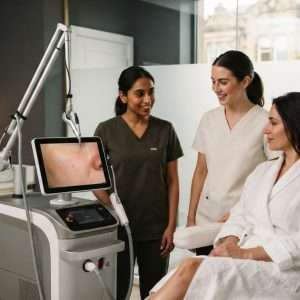
Energy-based systems address structural irregularities that topical creams cannot reach. Fractional radiofrequency microneedling, such as Morpheus8, delivers controlled thermal energy into underlying tissue to stimulate collagen and elastin, which can improve skin laxity and post-inflammatory scarring. For persistent discolouration, picosecond laser pulses shatter dense pigment clusters into microscopic fragments that the body clears naturally. Fractional CO2 laser resurfacing creates controlled micro-channels to refine coarse skin texture, with downtime varying between individuals based on treatment depth.
Medical-Grade Skincare and Clinical Peels
Alongside energy devices, clinical chemical peels accelerate superficial exfoliation under controlled conditions, brightening dull skin and unblocking congested pores. Prescribed programmes like Obagi medical skincare utilise higher concentrations of active ingredients to regulate cellular function, improve texture, and balance uneven pigment over time.
A multi-award-winning clinic founded in 2011, Arden Clinic operates within a professional medical centre environment, combining extensive experience with modern technology to deliver carefully tailored treatment courses.

What to Expect During a Professional Clinical Skin Assessment
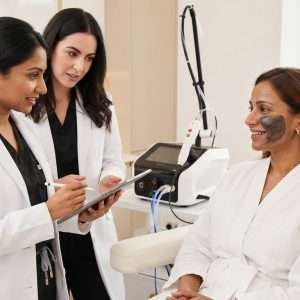
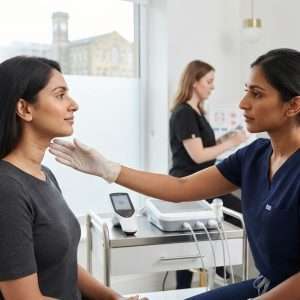
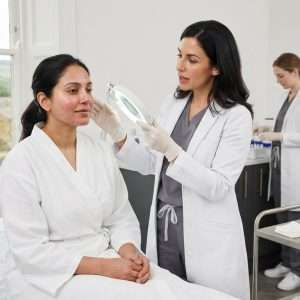
Stepping into a clinic can feel daunting when you’re accustomed to feeling embarrassed by my skin. An initial assessment isn’t a critique; it’s a collaborative diagnostic conversation. The goal is to evaluate your unique dermal physiology, medical history, and personal priorities in an empathetic, supportive setting.
The Comprehensive Consultation Step-by-Step
A methodical evaluation follows a structured process designed to establish a safe, individualised plan:
- Visual and Barrier Evaluation: Practitioners assess hydration, active inflammation, and epidermal barrier health alongside baseline clinical photography to track future progress.
- Medical and Lifestyle Review: Discussing systemic factors, stress levels, and past skincare attempts helps identify persistent underlying triggers.
- Treatment Mapping and Patch Testing: Custom plans pair in-clinic procedures with medical home care. Mandatory patch testing is conducted before starting laser or energy modalities to verify skin tolerance.
Selecting an Experienced Clinic in West Yorkshire
Choosing an established provider ensures peace of mind. Founded in 2011, Arden Clinic has administered hundreds of thousands of treatments for clients across Bradford and Leeds. Operating from within a professional medical centre environment, our team adheres to strict clinical hygiene protocols, client safety measures, and continuous advanced international training.
Persistent skin issues don’t have to define your daily routine. Booking an in-depth clinical assessment gives you the objective guidance and practical tools needed to restore skin health and self-assurance.
Reclaiming Confidence Through Personalised Clinical Care
Living with chronic breakouts, uneven pigmentation, or scarring can feel overwhelming, but feeling embarrassed by my skin doesn’t have to be your everyday reality. When superficial cosmetics fail to produce visible progress, clinical diagnostics provide an objective way forward. Moving beyond trial-and-error skincare allows you to target cellular inflammation and support deep tissue repair with precision.
Arden Clinic is a multi-award-winning clinic established in 2011, having delivered hundreds of thousands of treatments across West Yorkshire. Operating from within a professional medical centre environment, our practitioners combine advanced international training with modern technology to build tailored plans designed around your individual skin health.
Restoring skin health takes patience, but you don’t have to face the process alone. With experienced guidance and evidence-led care, you can comfortably reclaim your skin clarity and everyday self-assurance.
Frequently Asked Questions
Is feeling embarrassed by my skin a valid reason to visit a clinic?
Yes, persistent emotional discomfort is one of the most common reasons patients seek clinical guidance. Skin health directly influences psychological wellbeing and daily self-assurance. If feeling embarrassed by my skin has led you to withdraw socially, conceal blemishes excessively, or feel overwhelmed, a professional assessment can help. Practitioners across our Bradford and Leeds clinics provide empathetic, objective advice to help you regain control in a supportive medical centre setting.
Can professional treatments cure adult acne or pigmentation permanently?
No clinical procedure offers a permanent cure for adult acne or hyperpigmentation. Cutaneous conditions are governed by genetics, hormones, and environmental exposure, meaning flare-ups can recur over time. Instead, advanced modalities like laser acne therapy, Pico lasers, and targeted Obagi skincare are designed to manage active inflammation, clear trapped cellular debris, and break down stubborn pigment. Long-term skin clarity requires sustained clinical care, tailored maintenance, and daily sun protection.
How much downtime should I expect after clinical skin resurfacing?
Expected recovery time depends directly on the chosen technology and treatment intensity. Gentle treatments or light clinical peels may only produce transient redness lasting 24 to 48 hours. In contrast, advanced fractional CO2 laser resurfacing works deeper within the dermis, typically requiring five to ten days of healing whilst the skin sheds and regenerates. Your practitioner will explain specific healing timelines beforehand so you can comfortably plan around work and social commitments.
What happens during my very first skin consultation?
Your initial consultation is a thorough, diagnostic assessment designed to understand your unique dermal health without any pressure. An experienced practitioner examines your skin barrier, reviews your medical history, and discusses previous routines. We take baseline clinical photographs to document your starting point objectively. Following this review, you’ll receive a tailored treatment plan combining in-clinic technologies with targeted home care, including required patch tests before commencing laser treatments.
Can clinical aesthetic treatments be safely performed on darker skin tones?
Yes, modern aesthetic treatments can be performed safely on darker skin tones when using appropriate wavelengths and experienced practitioners. Melanin-dense skin carries a higher risk of post-inflammatory hyperpigmentation if exposed to excessive heat. Systems like picosecond lasers rely on photoacoustic pressure rather than high thermal energy, safely targeting pigment. At Arden Clinic, our clinicians undergo advanced international training to treat higher Fitzpatrick skin types safely using conservative settings and rigorous patch testing.