Facial hair removal requires a more considered approach than many larger body areas due to the sensitivity of facial skin, the visibility of treatment zones, and the influence of hormonal activity on follicular growth. Areas such as the upper lip, chin, jawline, neck, and sideburns are commonly affected by persistent or coarse hair growth, often leading to frequent shaving, plucking, or waxing.
Repeated surface-level hair removal may contribute to ongoing irritation, ingrown hairs, inflammation, and uneven skin texture over time. Professional laser hair removal offers a more structured, clinically guided approach by targeting active follicles, enhancing overall skin comfort, and reducing maintenance needs.
At Arden Clinic, facial laser hair reduction is approached with careful assessment of skin tone, follicular activity, treatment history, and skin sensitivity to ensure treatments are delivered safely and consistently.
Facial Hair Growth and Skin Sensitivity
Facial skin differs from many body areas due to its thinner structure, increased vascularity, and continual exposure to environmental stress. Facial areas are also more reactive due to regular cleansing, skincare applications, makeup use, shaving, and friction from daily activities.
Hormonal fluctuations, genetics, medication, or age-related hormonal changes may influence hair growth within facial areas. In some individuals, facial hair becomes progressively darker or coarser over time, increasing the need for ongoing maintenance.
Because facial skin is highly visible, even mild inflammation or irritation may become more noticeable. Repeated trauma to the skin barrier can gradually contribute to persistent sensitivity, redness, and uneven texture.
Common Facial Treatment Areas
Professional laser hair removal can be adapted to a range of facial areas depending on hair density, growth patterns, and skin characteristics.
- Upper Lip
One of the most commonly treated areas is particularly prone to frequent maintenance, which can contribute to visible irritation or rapid regrowth.
- Chin and Jawline
Often associated with hormonally influenced hair growth patterns and recurring coarse regrowth.
- Neck Area
Can become prone to folliculitis, shaving irritation, and ingrown hairs due to repeated friction and dense follicular activity.
- Sideburns and Cheeks
It may be treated to reduce unwanted density and improve overall facial smoothness.
Each area requires careful adjustment of treatment settings according to skin tone, sensitivity, and follicular density.
Shaving, Plucking, and Ongoing Irritation
Frequent facial hair removal can place continual stress on both the skin surface and the underlying follicles. Shaving may contribute to razor irritation and rough texture, while plucking and waxing repeatedly disrupt follicular structures.
Over time, this repeated trauma may contribute to inflammation, pseudofolliculitis, pigmentation changes, and persistent skin sensitivity. Microinflammation within the follicle can gradually weaken the skin barrier and increase reactivity across visible treatment areas.
Facial skin is particularly susceptible because it is often exposed to ultraviolet light, environmental pollutants, and daily friction. Many individuals seeking facial laser hair removal are motivated not only by visible hair reduction but also by a desire to reduce chronic irritation and improve overall skin comfort.
Laser Hair Removal and Facial Follicles
Laser hair removal works by delivering controlled light energy into the follicle beneath the skin. The pigment within the hair absorbs this energy, generating heat that disrupts future follicular activity over time.
Facial areas require careful energy selection due to the density of follicles, skin sensitivity, and visibility of treatment zones. Professional treatment planning allows energy delivery to be adjusted according to individual skin response and treatment progression.
Over a structured course of sessions, many individuals experience a gradual reduction in hair density, along with reduced reliance on frequent shaving or plucking.
Skin Tone and Facial Treatment Planning
Facial treatment planning must always carefully consider skin tone and pigmentation activity. Because facial skin is more exposed to sunlight and environmental changes, the risk of pigmentation requires ongoing assessment throughout the treatment course.
Post-inflammatory pigmentation may develop more easily where skin is already irritated or exposed to excessive ultraviolet light. Recent tanning, active irritation, or compromised barrier function may increase skin sensitivity during treatment.
Daily SPF use forms an important part of treatment preparation and aftercare, particularly for facial areas. Maintaining a stable skin tone and limiting unnecessary sun exposure help ensure safer, more consistent treatment delivery.
Modern laser systems allow treatment to be adapted across a broader range of skin tones than previously possible. However, practitioner expertise and appropriate settings remain essential in supporting safe treatment delivery.
Hormonal Facial Hair Growth
Hormonal influences are among the most common contributors to persistent facial hair growth, particularly on the chin, jawline, and neck.
Conditions such as Polycystic Ovary Syndrome may stimulate increased follicular activity, though hormonal changes associated with ageing, menopause, pregnancy, or medication can also influence facial hair growth patterns.
Laser hair removal does not alter hormone levels or treat underlying hormonal conditions. Instead, treatment focuses on reducing the number of active follicles and improving long-term manageability.
Because hormonally stimulated follicles may gradually reactivate over time, maintenance treatments may be part of long-term management in some individuals.
Fine Facial Hair and Treatment Suitability
Not all facial hair behaves in the same way during laser treatment. Coarser, darker hairs generally respond more effectively because they contain greater levels of pigment within the follicle.
Very fine or lightly pigmented facial hair may respond less predictably. In some cases, treating unsuitable fine hair aggressively may increase the risk of paradoxical stimulation, where neighbouring follicles become more active.
Careful assessment is therefore essential before beginning facial laser treatment. Appropriate patient selection, conservative treatment planning, and realistic expectations all contribute to safer and more consistent outcomes.
Soprano Titanium for Facial Treatment Comfort
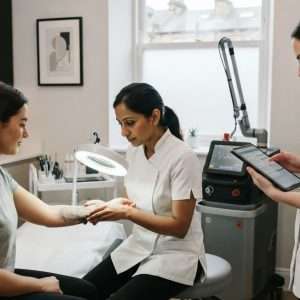
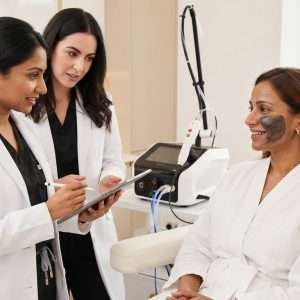
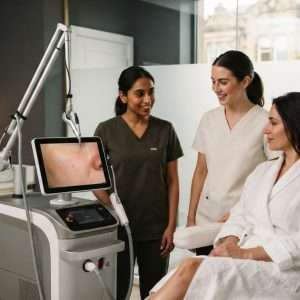
At Arden Clinic, facial laser hair reduction treatments are performed using the Soprano Titanium laser platform. This advanced system combines Alexandrite, Diode, and Nd:YAG wavelengths within a single applicator, allowing treatment settings to be adapted according to individual skin tone and follicular characteristics.
Unlike older laser systems that relied on sudden, high-energy pulses, Soprano Titanium uses gradual heating technology to build controlled thermal energy within the follicle. This approach helps minimise sudden thermal shock while maintaining treatment precision.
Integrated cooling systems also support comfort throughout treatment, particularly within sensitive facial areas such as the upper lip, jawline, and neck.
The adaptability of Soprano Titanium is especially valuable where facial skin requires greater control and protection during treatment.
Facial Skin Health and Maintenance
Reducing repeated shaving, plucking, and waxing may help support broader improvements in facial skin comfort over time. Many individuals notice smoother texture, reduced follicular irritation, and improved tolerance to skincare and makeup application as treatment progresses.
Lower levels of ongoing inflammation may also contribute to more even-looking skin and reduced visible irritation in commonly affected areas.
This allows facial laser hair removal to be approached not only as a method of hair reduction but also as part of wider skin management.
Skin Recovery and Aftercare
Following treatment, temporary redness or warmth may occur within treated facial areas. This response typically settles within several hours.
Sun protection remains particularly important following facial laser treatment due to increased environmental exposure. Daily SPF application helps protect the skin while supporting healthy recovery.
Strong active skincare products, exfoliation, excessive heat exposure, and unnecessary friction should also be avoided temporarily after treatment sessions to minimise irritation.
Clinical Assessment
Facial laser hair removal requires careful assessment of skin sensitivity, hormonal influences, treatment history, and follicular activity before treatment begins.
At Arden Clinic, consultations include a detailed evaluation of skin tone, history of irritation, pigmentation concerns, and prior hair removal methods to ensure treatment plans are tailored appropriately.
Treatment settings and scheduling are adjusted according to individual response throughout the treatment course, supporting both safety and consistency over time.
Facial Laser Hair Removal at Arden Clinic
Facial laser hair removal at Arden Clinic is delivered through a personalised, clinically guided approach designed to achieve effective hair reduction while maintaining overall skin health and comfort.
Using Soprano Titanium technology, treatments can be adapted across sensitive facial areas and a broad range of skin tones while maintaining controlled energy delivery throughout the process.
As part of our wider range of https://www.ardenclinic.com/treatments/body/”>body and aesthetic treatments, laser hair removal is approached with a focus on treatment quality, realistic expectations, and long-term skin management rather than short-term cosmetic maintenance alone.
Please contact Arden Clinic for further information on hormonal hair growth, treatment preparation, skin tone considerations, and treatment methods.
Confidence In Facial Skin Care
Facial hair growth and skin sensitivity often require a more structured and considered approach than repeated surface-level removal methods can provide. Professional laser hair removal supports progressive reduction in follicular activity while helping reduce irritation and ongoing maintenance demands over time.
With appropriate technology, practitioner expertise, and personalised treatment planning, facial laser hair reduction can be performed safely and consistently, supporting improved skin comfort and confidence.
Related Articles
- Hormonal Hair Growth and Laser Hair Removal
- Preparing For Professional Laser Hair Removal
- Laser Hair Removal Compared With IPL and Other Methods
- Laser Hair Removal and Skin Tone Considerations
- Professional Laser Hair Removal In Bradford
Prefer an AI Summary?