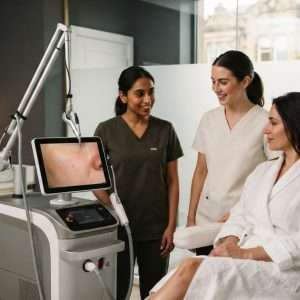
You walked out of the tattoo studio only hours ago, yet the immediate wave of “ink anxiety” is already overwhelming. It’s a deeply distressing position to be in, and you’re certainly not alone, as research suggests that nearly 20% of people in the UK eventually experience some form of tattoo regret. In the heat of the moment, your first question is inevitably: can you remove a new tattoo right away? Whilst the urge to act quickly is understandable, your skin requires a specific, non-negotiable window of recovery before any clinical intervention can safely begin.
At Arden Clinic, we’ve administered hundreds of thousands of treatments since 2011, helping clients navigate the complexities of ink clearance with an assessment-led approach. This article reveals the mandatory biological timeline you must follow to protect your skin’s integrity and how our Picosecond laser technology is designed to shatter ink particles more effectively than traditional methods. You’ll discover the safest path toward clear skin and why our award-winning specialist centres in Bradford and Leeds are the trusted choice for those seeking a professional, clinical solution to instant tattoo regret.
Key Takeaways
- If you are asking can you remove a new tattoo, the answer is yes, but only after a mandatory 6 to 12-week healing period to protect your skin’s long-term health.
- Picosecond laser tattoo removal is the industry gold standard, using ultra-fast photoacoustic pulses to shatter ink into fine particles for more efficient clearance.
- Complete clearance requires a series of tailored sessions, as results vary between individuals based on ink density, colour, and your body’s unique immune response.
- Choosing an established, award-winning clinic in West Yorkshire ensures your treatment is conducted in a professional medical centre environment by highly experienced specialists.
The Mandatory “Healing Window” for New Tattoo Removal
Whilst the initial shock of a tattoo you don’t want can be overwhelming, biological reality must take precedence over emotional urgency. You can remove a new tattoo, but the process cannot begin until the skin has fully recovered from the initial tattooing trauma. This recovery phase, known as the healing window, typically requires between 6 and 12 weeks for the epidermis and dermis to stabilise. If you are wondering can you remove a new tattoo safely, the answer depends entirely on your patience during this critical phase.
During this period, your body is managing an acute inflammatory response. Applying laser energy to skin that hasn’t finished its natural repair cycle significantly increases the risk of permanent scarring and infection. The healing window is the period allowing the immune system to clear initial trauma before laser intervention begins. Understanding various Tattoo removal methods is helpful, but clinical safety remains the priority.
Why Rushing Your First Session is Counterproductive
Fresh ink is exceptionally dense and often sits higher in the dermal layers. Attempting to treat it too soon is often ineffective because the ink hasn’t settled into its permanent position. Premature laser application can essentially “cook” the surrounding tissue or trigger hyperpigmentation, where the skin develops dark, uneven patches that are difficult to correct later.
Signs Your Tattoo is Ready for Assessment
Before booking your first Picosecond laser tattoo removal session at our West Yorkshire clinics, look for these indicators of readiness:
- The skin texture has returned to normal, with no “shiny” or plastic-like appearance.
- All redness, swelling, and tenderness have completely subsided.
- There is no remaining scabbing, flaking, or peeling in the area.
A professional, assessment-led consultation at Arden Clinic is essential to determine if your skin is structurally sound enough for treatment. Our specialists ensure that the dermal layers are sufficiently recovered to handle the photoacoustic energy required for effective ink shattering.
Why Picosecond Laser Technology is Superior for Fresh Ink
If you are wondering can you remove a new tattoo, the answer lies in the sophistication of the equipment used. Picosecond laser tattoo removal represents the current industry gold standard, moving away from the heat-based approach of older systems. Unlike traditional nanosecond lasers that rely on thermal energy to burn away pigment, Picosecond devices utilise a photo-acoustic effect. This mechanism delivers ultra-short pulses of energy in trillionths of a second, creating a rapid pressure wave that shatters ink into dust-like particles.
This precision is vital for the sensitive nature of a new tattoo site. Because the energy is delivered so quickly, it doesn’t have time to overheat the surrounding tissue, which significantly reduces the risk of thermal damage. Guidance from the FDA on tattoo removal highlights that whilst lasers are the primary method for clearing ink, the specific device used impacts the safety profile. Picosecond technology is particularly effective across various skin tones, offering a safer path for those with darker complexions who might otherwise face a higher risk of pigment changes.
Shattering Dense Ink Particles
New tattoos present a unique challenge because the ink concentration is at its highest density. Traditional lasers often struggle to penetrate these dense layers without excessive heat. The Picosecond laser’s ability to pulverise ink into microscopic fragments allows your immune system to flush the particles away more efficiently. Whilst this advanced technology typically requires fewer sessions than older methods, multiple visits are always necessary to achieve significant clearance.
Protecting Skin Integrity During Removal
Preserving your skin’s natural texture is our priority at Arden Clinic. Our technology targets unwanted pigment whilst leaving the surrounding skin structurally intact. To ensure your skin is ready for this process, a professional skin assessment is the first step in your journey toward clear skin. This allows our specialists to tailor the laser settings to your specific ink depth and skin type.
What to Expect During Your Removal Journey
Your path to ink clearance begins with a structured clinical process. Whilst you may be eager to know can you remove a new tattoo quickly, the journey requires patience and precise intervals. It starts with a comprehensive consultation and a mandatory patch test to ensure skin suitability. According to FDA guidance on tattoo removal, outcomes are influenced by factors like ink depth and colour. We can’t guarantee 100% removal, as results vary between individuals and rely heavily on your body’s unique immune response.
Treatment sessions are typically spaced 6 to 8 weeks apart. This interval is essential. It allows your lymphatic system sufficient time to flush away the shattered ink particles. During this time, strict aftercare is vital. You must avoid sun exposure and keep the treated area well-hydrated to support the healing process. It’s a biological marathon, not a sprint.
Factors Affecting the Number of Sessions
Professional tattoos often utilise higher-quality, more stubborn pigments that sit deeper in the skin than amateur work. This complexity determines the number of sessions required. Whilst waiting between treatments, you can improve the overall health and resilience of your skin with medical-grade skincare to support the dermal structure.
The Sensation and Recovery
Most clients describe the sensation of Picosecond laser tattoo removal as similar to the snap of a rubber band against the skin. Immediately following the procedure, you might notice “frosting”, a temporary white appearance on the tattoo, along with mild swelling. These are normal clinical responses that typically subside within a few days as the skin begins its recovery.

Choosing an Award-Winning Clinic in Yorkshire
Arden Clinic has been a pillar of the West Yorkshire aesthetic community since 2011. With a history of industry recognition and hundreds of thousands of treatments administered, we provide the clinical depth required for even the most complex ink cases. If you’re asking can you remove a new tattoo safely, the answer depends on the standard of the provider you select. Our multi-award-winning status is rooted in a commitment to medical-grade reliability and transformative results.
We operate an assessment-led model rather than a one-size-fits-all approach. This ensures every bespoke plan is tailored to your specific skin tone and ink density, which is far safer than accepting a generic “deal” from a high-street shop. We encourage you to use your mandatory healing window to research clinics that invest in genuine, branded Picosecond technology. Selecting a specialist that stays ahead of industry trends is the most effective way to protect your skin’s long-term health.
Expert Care in Bradford and Leeds
Our clinics in Bradford and Leeds operate from within professional medical centre environments. This setting ensures the highest standards of hygiene, practitioner training, and safety protocols. Whilst our expertise in Picosecond laser tattoo removal is a primary focus, our practitioners are also specialists in a wide range of advanced aesthetic treatments. This includes evidence-led solutions such as Morpheus8 and dermal fillers, all delivered with the same meticulous attention to detail.
Your Next Steps to Clear Skin
Tattoo regret is an incredibly common experience, and professional help is readily available across Yorkshire. You don’t have to live with a decision that no longer reflects who you are. Once your 6 to 12-week healing window has concluded, the next step is a professional evaluation. We invite you to book a consultation at Arden Clinic to begin your journey toward clear skin with a team that prioritises safety and clinical excellence.
Your Path to Clear Skin Starts with Patience
Instant tattoo regret is a challenging emotional experience, but acting too quickly can compromise your skin’s health. Whilst the answer to can you remove a new tattoo is a definitive yes, the mandatory healing window of 6 to 12 weeks is essential for a safe outcome. This period allows your skin to stabilise before our advanced Picosecond laser tattoo removal begins the process of shattering dense ink particles into microscopic fragments.
Arden Clinic has provided expert care since 2011, combining over 16 years of clinical experience with multi-award-winning standards. Our assessment-led approach ensures that your treatment is tailored to your unique skin tone and ink depth. Whilst results vary between individuals, our investment in state-of-the-art technology is designed to provide the most effective path toward clearance.
You don’t have to live with a tattoo you regret; professional, clinical help is available to guide you back to the skin you love.
Frequently Asked Questions
How soon after getting a tattoo can I start laser removal?
You must wait a minimum of 6 to 12 weeks after getting your ink before you start Picosecond laser tattoo removal. This mandatory healing window allows the epidermis and dermis to stabilise following the initial trauma of the tattooing process. Attempting treatment earlier can lead to significant skin damage or scarring. At our Bradford and Leeds clinics, we require a full assessment to ensure your skin is structurally ready for laser intervention.
Is it easier to remove a new tattoo than an old one?
Contrary to popular belief, new tattoos are often more challenging to remove than older ones. Fresh ink is more concentrated and has not yet been processed by your body’s immune system. Older tattoos have naturally faded over time as the body slowly breaks down pigment. When you ask can you remove a new tattoo, it’s important to understand that the density of fresh ink typically requires a methodical, multi-session approach.
Can Picosecond laser removal cause scarring on new tattoos?
Picosecond technology is designed to minimise the risk of scarring by using a photoacoustic effect rather than heat. This pressure-based mechanism shatters ink into microscopic particles whilst preserving the surrounding tissue. However, the risk of scarring increases if treatment begins before the initial tattoo site has fully healed. Our award-winning practitioners in West Yorkshire prioritise skin integrity through an assessment-led model, ensuring the laser settings are tailored to your specific recovery stage.
How many sessions will I need for a fresh tattoo?
The number of sessions required varies between individuals based on the ink’s depth, colour, and composition. Fresh professional tattoos often use high-quality, dense pigments that require multiple visits to achieve significant clearance. Whilst Picosecond technology is more efficient than older systems, it’s impossible to predict an exact number without a consultation. Most clients in our Bradford and Leeds centres require a series of treatments spaced 6 to 8 weeks apart.
Will my new tattoo be 100% gone after laser treatment?
Whilst we use the industry gold standard in laser technology, complete tattoo removal cannot be guaranteed. The final outcome depends on various factors, including the type of ink used and your individual immune response. Some pigments are more stubborn than others, particularly in professional work. Our specialists provide realistic expectations during your initial assessment, focusing on achieving the highest possible level of clearance whilst maintaining the natural health of your skin.